








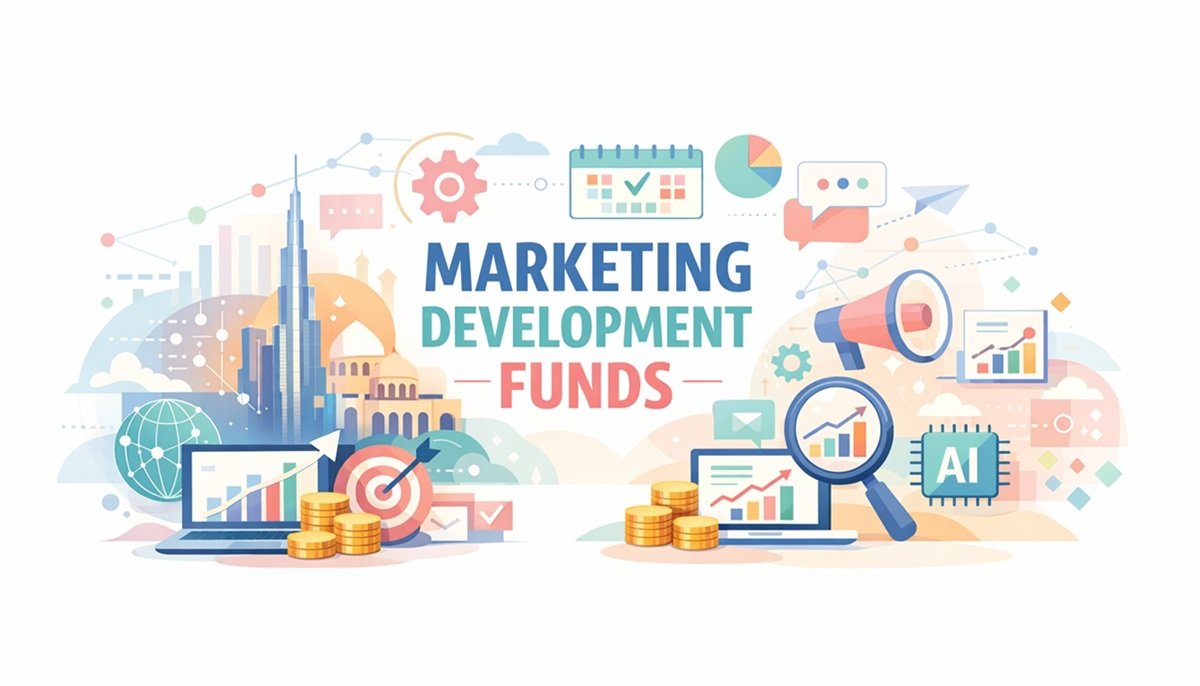
The Middle East technology landscape is evolving at unprecedented speed. Cloud adoption, cybersecurity modernization, AI-driven automation, and digital-first customer engagement are reshaping how vendors and partners go to market. In this environment, Marketing Development Funds (MDF) have become one of the most strategic tools in any channel program. Once used primarily for events or branding, MDF has transformed into a performance-driven engine that fuels demand generation, partner enablement, and long-term ecosystem growth. As partners face rising competition and customers demand measurable outcomes, MDF is now central to how vendors and distributors support, scale, and differentiate their channel ecosystems.
This feature explores how MDF programs are evolving across three major themes: modernization for a digital-first market, simplification to reduce partner friction, and strategic alignment with regional priorities and partner maturity. Insights from leading vendors and distributors across the Middle East illustrate how MDF is being re-engineered to deliver measurable impact.

MDF Evolves for a Digital–First, AI–Driven Channel Landscape
Across the region, vendors are rethinking MDF to support digital marketing, AI-driven campaigns, and outcome-based engagement. Bitdefender is among the companies leading this shift. Sumit Kumar, Channel & Distribution Manager for the Middle East at Bitdefender, explains that MDF is no longer tied to traditional activities alone but is now directly connected to measurable business outcomes. “Instead of funding events or collateral only, MDF is increasingly tied to specific pipeline and revenue outcomes,” he says, noting that qualified leads, booked demos, and SQLs are now core performance indicators. Bitdefender’s Mind Matrix Portal gives partners access to digital marketing resources and MDF submission tools, while higher-tier partners receive expanded support and higher funding ceilings. This ensures that partners can execute multi-touch digital campaigns that directly accelerate the pipeline.
BMC Helix is also prioritizing digital-first and AI-enabled initiatives. Pablo Legarda, South and East EMEA – Channel leader, explains that the company is encouraging partners to shift from one-off activities to integrated campaigns powered by automation and intent data. “MDF is increasingly tied to pipeline influence, customer engagement quality, and long-term demand generation rather than pure activity volume,” he says. This reflects a broader industry shift toward measurable, data-driven marketing that aligns with customer lifecycle engagement.

ESET is similarly adapting its MDF programs to support digital-first execution. Ali AlJuneidi, Regional Sales and Business Development Manager at ESET Middle East, notes that partners now require flexible co-marketing resources and guided support to run AI-driven campaigns that generate measurable engagement. “Our MDF programs are adapting to a digital-first environment, integrating AI-driven campaigns and outcome-focused initiatives,” he explains. This ensures that partners can scale their marketing capabilities and compete effectively across diverse markets in the region.
Palo Alto Networks is taking a platform-centric approach to MDF evolution. The Senior Director for Channel Sales Emerging Markets at Palo Alto Networks, Eyad Aleriksousi explains that the company is incentivizing AI-driven, outcome-based engagements that move beyond point products. “By providing pre-packaged platform-centric toolkits, we empower partners to lead with high-margin services,” he says, emphasizing the shift toward integrated, AI-native resilience. This approach positions partners to deliver long-term security outcomes rather than transactional sales.
As a distributor, SecureNet Distribution is also evolving its MDF strategy to support digital-first initiatives. Founder and CEO Melwin Dsouza explains that SecureNet is prioritizing data-driven campaigns and outcome-based engagement. The company supports partners with flexible funding models and co-created campaigns that align MDF investments with measurable demand generation and long-term brand positioning. This ensures that partners can execute modern marketing strategies that scale with customer needs.

Simplifying MDF Access, Utilization, and Reporting
While MDF is essential, partners often struggle with administrative complexity. Vendors across the region are addressing this challenge by modernizing workflows, automating approvals, and improving reporting transparency.
Bitdefender has significantly streamlined its MDF processes through the Mind Matrix platform. Kumar explains that partners can now submit proposals online, track approvals, and manage reporting through a unified dashboard. “Proposals can be submitted online, reviewed faster, and tracked in a single MDF dashboard — reducing cycles and friction,” he says. Bitdefender also provides certification resources, onboarding support, and technical guides through the PAN Portal, ensuring partners have the knowledge to plan and execute campaigns effectively.
BMC Helix is tackling similar challenges by introducing standardized templates, clearer guidelines, and expedited approvals. Legarda notes that complicated approvals and disjointed reporting have historically slowed partners down. By aligning MDF tracking with CRM and pipeline metrics, BMC Helix ensures that partners spend less time on administrative tasks and more time generating qualified demand. This streamlined approach guarantees that MDF investments deliver quantifiable impact.
ESET has also focused on reducing friction by offering streamlined processes, automated tracking tools, and proactive advisory support. AlJuneidi explains that partners often struggle with navigating approvals and reporting, and ESET’s goal is to ensure that MDF “drives pipeline and tangible results rather than becoming an administrative burden.” This simplification helps partners focus on execution rather than paperwork.

Palo Alto Networks is addressing MDF complexity through automation. Aleriksousi explains that partners often struggle with complex reporting that distracts from selling. The company’s automated deal registration and AI-driven self-service model approve deals instantly, while the new Partner Development Fund reinvests rebates directly into demand generation and training. This replaces administrative friction with transparent workflows that prioritize pipeline building.
SecureNet is simplifying MDF access through streamlined workflows, clearer guidelines, and standardized reporting frameworks. Dsouza explains that partners often face challenges related to complex approval processes and unclear ROI metrics. SecureNet’s approach ensures that MDF is easy to use, transparent, and focused on driving tangible business outcomes rather than administrative overhead.
Aligning MDF with Regional Priorities, Partner Maturity, and Long-Term Growth
As the Middle East channel ecosystem becomes more competitive, vendors are aligning MDF with regional priorities, partner maturity levels, and long-term growth objectives.
Bitdefender recognizes that partners at different stages require different types of support. Kumar explains that developing partners receive guidance on multi-touch campaigns tied to customer lifecycle stages, while advanced partners benefit from co-invested initiatives such as demand generation and field marketing. Account and marketing managers work closely with partners to ensure MDF aligns with regional demand signals and long-term roadmaps.

BMC Helix segments partners based on capability and maturity, ensuring that MDF investments support sustainable growth. Legarda explains that emerging partners receive foundational enablement, while advanced partners benefit from strategic co-investment. This ensures that MDF fuels long-term ecosystem value rather than short-term spend.
ESET focuses on scalable initiatives and measurable outcomes to maximize ROI. AlJuneidi explains that by tailoring campaigns to partner maturity and regional priorities, ESET strengthens its presence across both emerging and established markets. This ensures that MDF supports sustainable partner development and long-term market growth.
Palo Alto Networks aligns MDF with regional priorities such as data sovereignty and the emerging AI factory concept. Aleriksousi explains that the company rewards partner maturity through specialized tracks for MSSPs and distributors, focusing on lifecycle management and long-term ecosystem readiness to defend against AI-driven threats.
SecureNet aligns MDF investments with regional priorities, partner maturity, and strategic growth objectives. Dsouza explains that by segmenting partners and focusing on scalable, repeatable initiatives, SecureNet ensures that MDF supports sustainable growth and meaningful engagement across the Middle East.
As the Middle East technology market continues to evolve, MDF has become a strategic catalyst for partner success. Vendors and distributors are modernizing MDF programs to support digital-first execution, simplifying processes to reduce friction, and aligning investments with regional priorities and partner maturity. The result is a more empowered, competitive, and future-ready channel ecosystem—one where MDF is not just a budget line but a driver of measurable growth, innovation, and long-term value.