








The new global security partnership is another step in the long-term business and technological relationship between the two companies. Fortinet and NTT Com Security will now collaborate across a number of technology deployments, uniquely positioned to offer support, consultancy advice and the delivery of solutions powered by Fortinet’s market-leading technology under NTT Com Security’s WideAngle portfolio.
These include cloud security, firewall and network risk management, SIEM systems integration and SDN (software defined networking) and virtualization. Through this partnership, NTT Com Security will also benefit from Fortinet’s experienced technical consultants to expand their support services in terms of incident management, operational risk reduction, support in complex architectural designs and implementations.
Simon Church, CEO at NTT Com Security, said: “As global experts in our respective fields, NTT Com Security and Fortinet both share a common goal to provide organizations struggling to manage a growing number of complex and advanced threats with expert advice and world-class security solutions. NTT Com Security’s proven security expertise and global reach combined with Fortinet’s best-of-breed solutions is a powerful combination.”
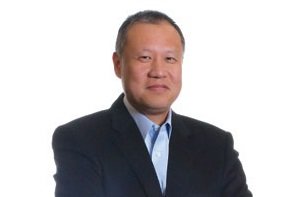
“Our mission is to secure and simplify IT infrastructures as businesses increasingly look to adopt cloud-based systems and virtualization,” said Ken Xie, CEO at Fortinet. “Through our partnership with NTT Com Security, we continue to expand our global value-added security services and solutions for organizations to protect their next-generation networks and datacenters.”