









Vendors and distributors are betting on local partners, skills, and engineering talent as Egypt’s digital agenda, banking sector, and AI ambitions make the country a priority market for the IT channel.
Egypt has long been one of the largest technology markets in the Middle East and Africa. What is changing is how vendors and distributors talk about it. Increasingly, they describe it as a priority market that deserves dedicated coverage, local engineering talent, and its own channel playbook, rather than a market managed as an extension of the Gulf. Government programmes such as Digital Egypt and the National AI Strategy, a large banking sector, and expanding public-sector services are accelerating cloud, AI, and cybersecurity spending.
In Egypt, the channel is not just a route to market. It is the market. Vendors and distributors alike are building their strategies around local partners, local skills and local engineering talent.
A market with its own momentum
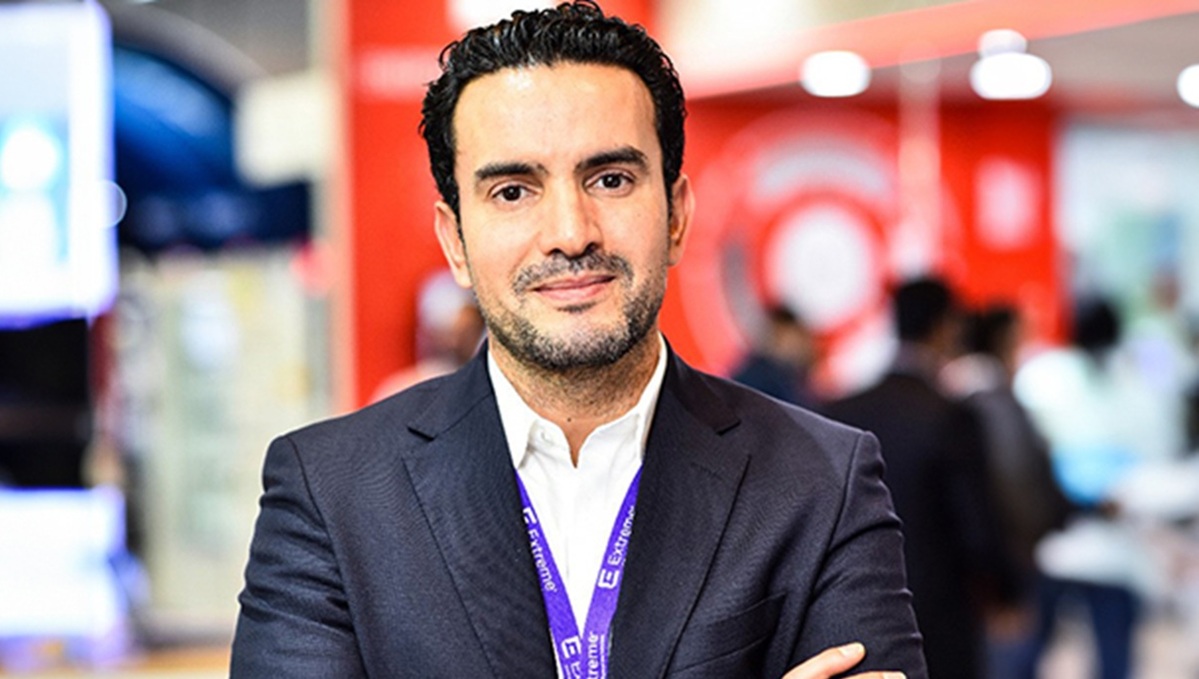
National programmes are setting the pace. Extreme Networks sees its role as building the network infrastructure behind them. Atef Djmoui, Regional Sales Manager, Middle East and Africa, says: “Egypt is a core part of our Middle East business, and initiatives like Digital Egypt and the National AI Strategy are creating real opportunities for the technology sector. We see an important role for Extreme in building the network infrastructure behind these ambitions. But having the right technology is only part of the story. We also invest in developing local expertise, offering partners and customers regular training in areas like agentic AI, Fabric and Wi-Fi, so they have the skills to put these technologies to work.
The network has a much bigger role to play as businesses invest in AI, cloud and digital transformation. We’re helping customers in Egypt prepare for that through technologies like Fabric, which makes networks more secure, flexible and easier to manage, alongside AI-powered network operations that bring real-time context and intelligent recommendations into the IT workflow.”

Identity security offers a sharper example. Banking and government digitisation is creating new privileged identities faster than they can be governed. Mortada Ayad, VP of Sales – META at Delinea, says: “Egypt is the market I point to when people ask where the next phase of growth in META will come from. The country’s large banking sector and ambitious digital agenda create the conditions for identity security to move from an IT discussion to a board-level priority.
We have therefore invested in dedicated enterprise and commercial coverage rather than managing Egypt as an extension of the Gulf. The honest answer is economic pressure. Every dollar of technology spending has to work harder, and customers rightly want evidence of value, early. Our research shows non-human identities now outnumber human identities by more than 40 to one, yet many organisations cannot confidently say who owns them or what they are doing. Start with your most critical identities, establish ownership and remove unnecessary privilege. That is how a mature identity security programme begins.”
Partners are the strategy
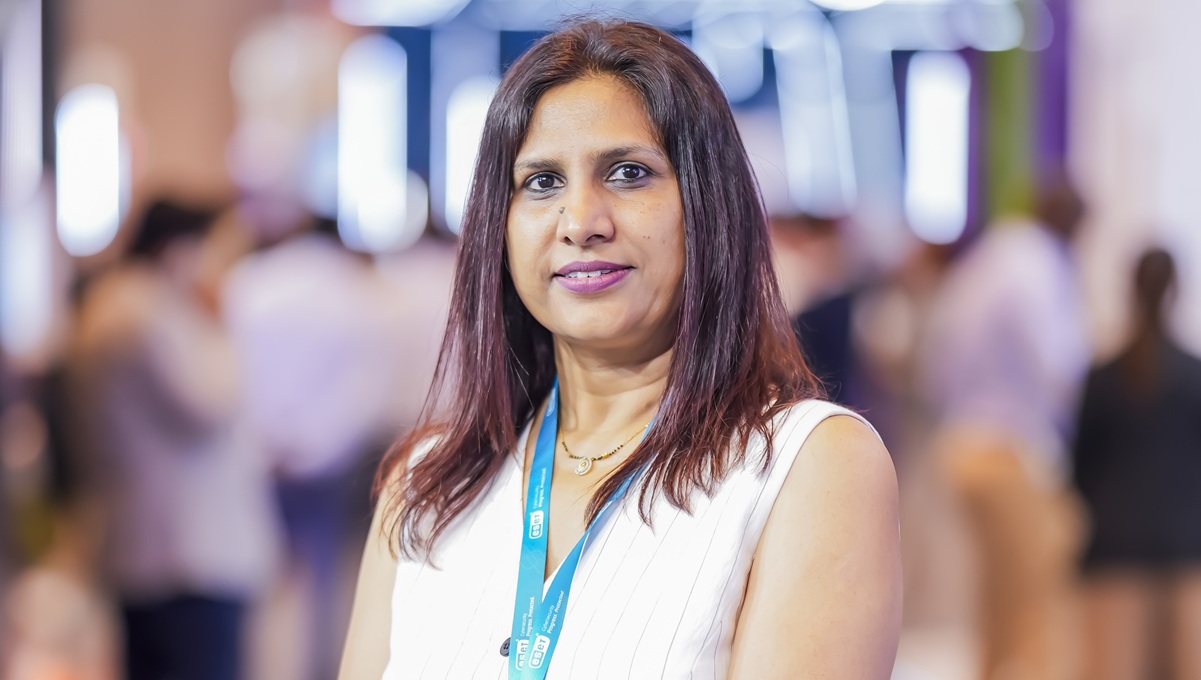
If one idea unites the vendors, it is that local partners carry the customer relationship. Sapna Arasu, Channel Manager at ESET Middle East, describes a partner-led model built around security services, as she explained that “Egypt is an important market within ESET’s regional footprint, supported by a large digital economy and continued investment in technology, cloud and AI. Our approach is fundamentally partner-led: local relationships provide market knowledge, reach and customer trust, while training and certification help partners build deeper technical capabilities.
Egypt combines strong opportunity with practical market challenges, including rapid digitization, evolving cyber risks, skills requirements and pressure to demonstrate clear value from security investments. The opportunity is especially strong around cloud security, managed services, XDR and protecting increasingly connected public and private-sector environments. ESET supports partners and customers with ESET PROTECT, XDR, cloud workload protection, managed detection and response, threat intelligence and training. Equally important, we help partners develop the sales and technical skills needed to translate these technologies into practical, locally relevant solutions for organizations modernizing their environments.”

Mohammed AlMoneer, Senior Director, Regional Sales METAF at Infoblox, emphasises a phased path for organisations with legacy estates and said, “Egypt is an important growth market within our broader Middle East and Africa strategy, supported by a large talent base, ambitious digital agenda and growing demand for resilient infrastructure. Our approach is partner-led. Local partners bring market knowledge, trusted customer relationships and delivery capability; we support them with enablement, technical expertise and joint planning.
The challenge is that many must do this while managing complex legacy environments, skills constraints and tight investment priorities. We help partners position a phased path to better visibility, resilient critical network services and earlier threat prevention, so customers can realise value without unnecessary disruption. Infoblox helps partners and customers unite networking, security and cloud through a Protective DDI platform. This provides the visibility, automation and DNS-based intelligence needed to manage hybrid, multi-cloud environments with greater confidence. For partners, it creates opportunities to deliver higher-value services around resilience, operational efficiency and preemptive security.”
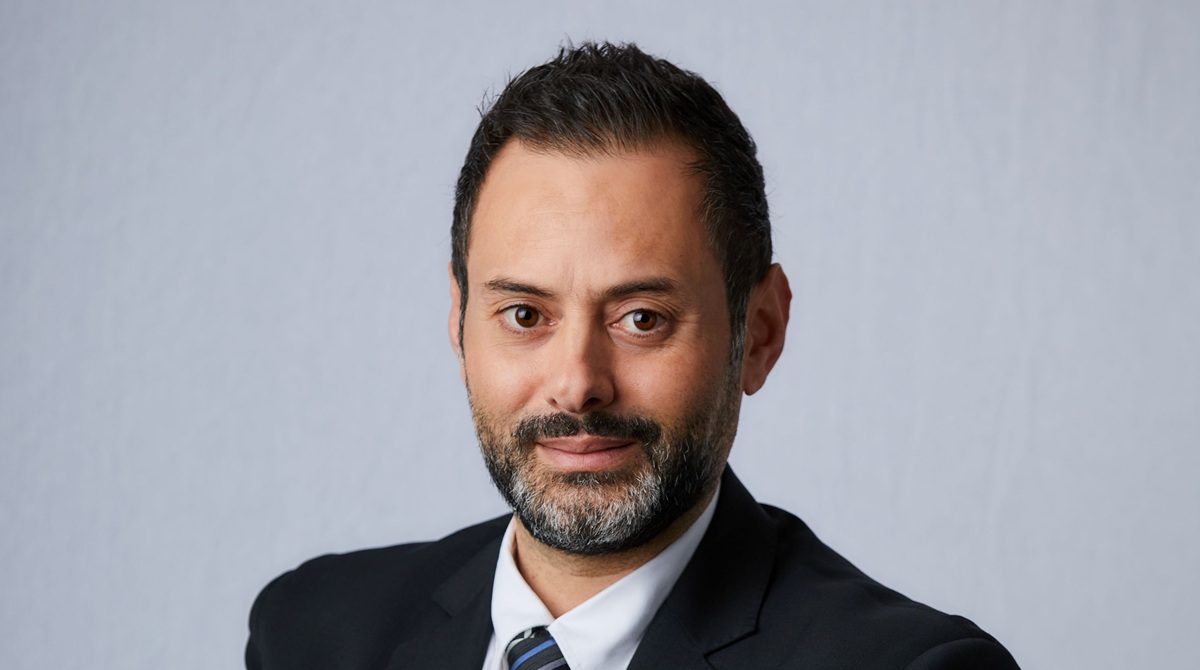
Anan Elyan, Regional Sales Manager – Western Arabia at Axis Communications, links the channel model to a shift in what customers buy. He said: “Egypt is a very important market for us, not only because of its size, but also because of the level of development we are seeing across infrastructure, transportation, smart cities, banking, education and critical infrastructure. You cannot approach the market only from a technology perspective. You need partners who understand the customers, the different industries and how business is done locally. Our objective is not simply to increase the number of partners we work with, but to build the right partnerships and enable them to deliver complete solutions and long-term value to customers.
Customers want advanced technology, but they are also sensitive to budgets, timelines, and return on investment, so it is no longer enough to discuss individual products or specifications. One of the biggest opportunities is the shift from traditional security towards more intelligent, connected solutions, with video increasingly becoming a source of operational intelligence. As more devices connect to networks, customers also need to consider the security of the entire solution throughout its lifecycle. We support partners through training, technical workshops, demonstrations and direct engagement with customers and consultants, so they stay ahead of these technology changes.”
Across these three voices, the shift is from fulfilling orders to consultative depth, with resilience and managed services mattering more than licences alone.
Distribution digs in
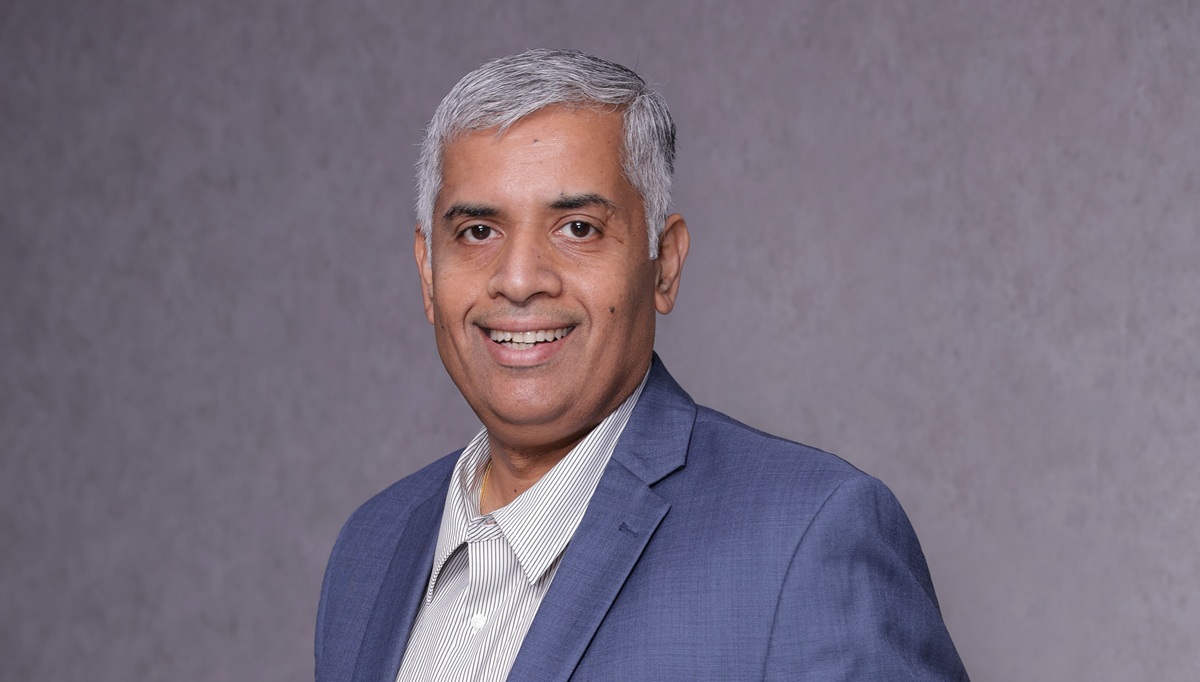
Distributors back the thesis with local resources and a clear view that local partnerships are the foundation of the market. Ramkumar Balakrishnan, CEO of AmiViz, is categorical: “Egypt is a priority market, not a secondary one. The scale of the digital economy, the concentration of regulated industries, and the quality of local technology talent place it at the centre of our strategy. Local partnerships are not a channel tactic in Egypt. They are the only way to build sustainable, trusted market presence.
The opportunity is significant: a large enterprise market accelerating toward cloud, AI, and cybersecurity modernisation. The challenge is that transformation ambitions sometimes outpace the governance and security infrastructure needed to support them safely. We are building partner capability well beyond product certification, focusing on cloud security, data resilience, and AI governance, which is where Egyptian enterprises genuinely need consultative depth. The partners who grow with us will be equipped to lead architecture conversations with banks, government entities, and enterprise customers, not simply fulfil product orders.”
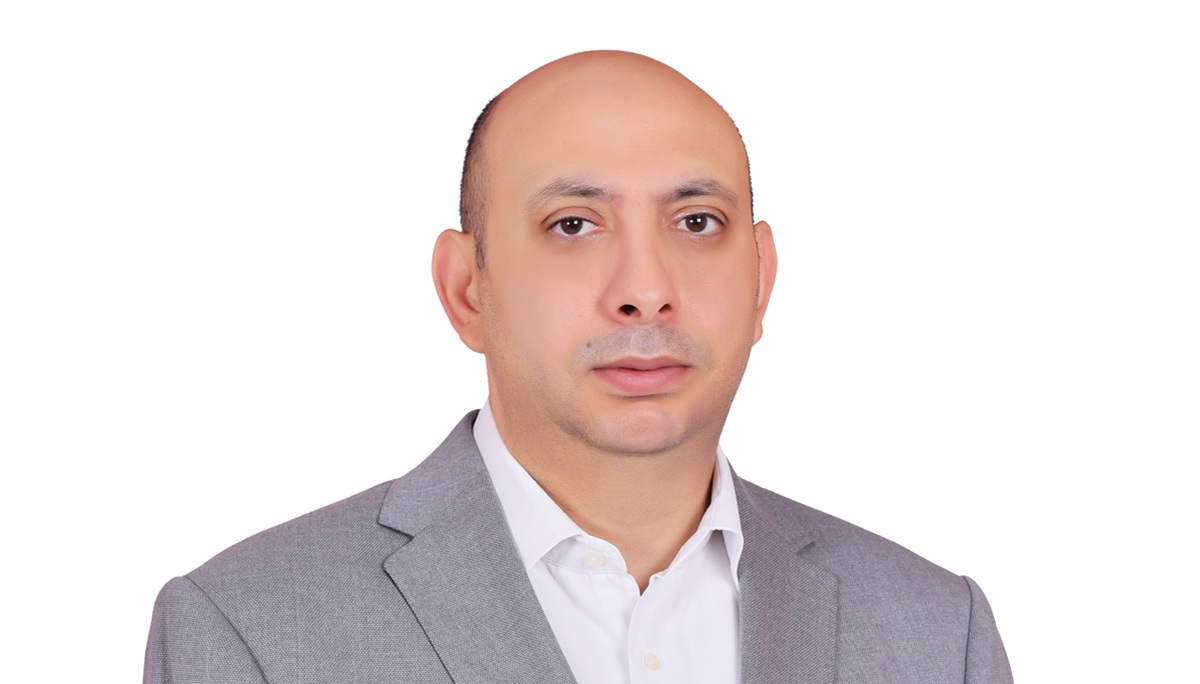
Ahmad Naiem, Sales Director ME at ASBIS Middle East, describes the shift from technology distribution to solution enablement. According to Naiem, “Egypt is a strategically important market within our broader Middle East and Africa growth strategy. Its large, diverse customer base, strong IT ecosystem, and position connecting the Middle East and Africa make it a key market for long-term growth. We believe sustainable growth in Egypt comes from working closely with resellers, system integrators, retailers, and enterprise-focused partners, understanding their specific market needs, and helping them build the capabilities they need to grow.
Ultimately, our objective is not simply to increase product availability, but to build a stronger, more capable channel that can create sustainable value for vendors, partners, and customers across Egypt. We also see a growing need to shift from a purely product-focused approach to solution-based selling. Our overall objective is to help the Egyptian channel move from technology distribution toward solution enablement, creating stronger capabilities and long-term value for both partners and end customers.”
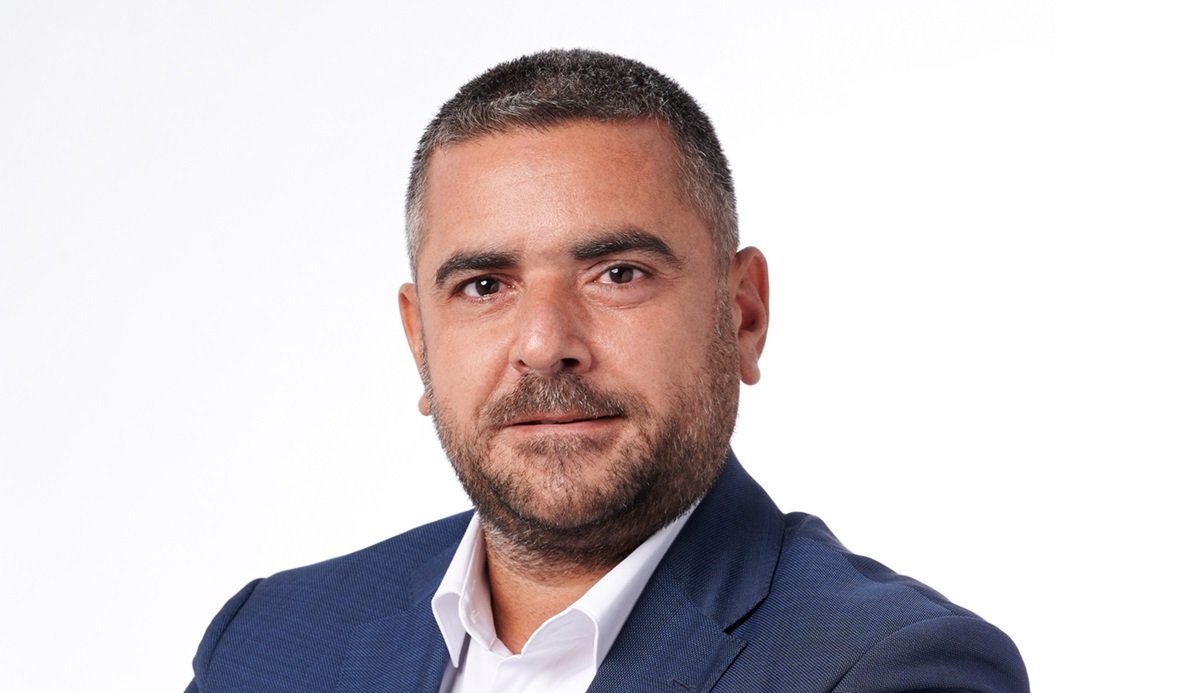
Toni Azzi, Vice President – Qatar & Levant at Mindware, points to new vendor appointments and an Egypt-based engineering pool serving the wider region. He stated, “Egypt is a strategic growth market for Mindware, combining a large, dynamic enterprise base with ambitious public-sector digital priorities and exceptional technology talent. Our VMware distribution appointment in 2025 and recent IBM appointment underscore that long-term commitment.
We are investing in local channel depth, skills development, solution enablement and pre-sales support, helping partners turn cloud, AI, cybersecurity, data center and compute opportunities into repeatable customer outcomes. On top of our channel development activities, Mindware is investing in more resources in Egypt, Commercial and Technical, with a strategic initiative of creating a pool of Engineers based in Egypt, specialized in different technologies and serving the entire MEA region. Mindware AI Platform, MAGIC, helps partners qualify, design and deliver these opportunities with greater confidence. Through MAGIC, Mindware AI Platform, we add solution design, sizing, training, financing, marketing and go-to-market support.”
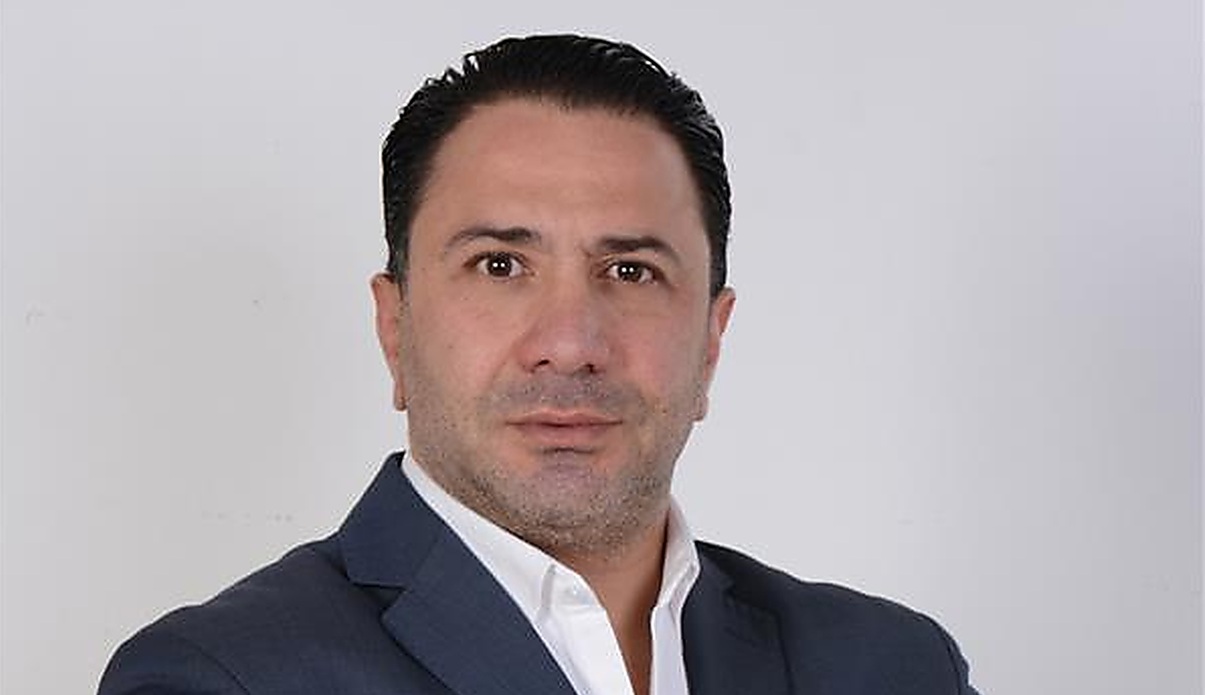
Amer Carouba, Managing Director, Saudi Arabia and North Africa at Westcon-Comstor, stresses enablement and validation. According to him, “Egypt is one of the region’s most dynamic technology markets, with strong momentum behind digital transformation, cloud adoption and cybersecurity investments. Our focus is helping partners build the expertise, capabilities, and services they need to meet evolving customer requirements while supporting long-term ecosystem growth and innovation.
The biggest opportunity is the growing demand for cloud, cybersecurity, networking and AI-led solutions as organisations modernise their technology environments. At the same time, many partners are navigating skills shortages, increasing technical complexity and rapidly evolving customer expectations. Our strategy is centred on enablement, technical support and practical validation, helping partners accelerate time to market, build new competencies and deliver outcomes that are aligned with customers’ business priorities. Increasingly, customers are looking for integrated approaches that connect networking, cloud, security and AI.”
Across these four distributors, the shift is from supplying products to enabling solutions, with governance, skills and consultative depth as the common thread.

Value under pressure
Economics shape every deal. Global price increases and tight budgets mean customers want proof of value early, and vendors are adjusting. Mike Chen, Senior Sales Manager for the Middle East at Synology, explains: “Egypt is an important market within Synology’s Middle East and Africa strategy, driven by its growing digital economy, strong IT talent base, and increasing demand for modern data infrastructure. Our growth is highly partner-driven.
One of the key challenges this year has been global price increases across the technology industry, making long-term value and cost efficiency even more important for customers. In response, Synology introduced the DiskStation Neo+ series, providing customers with more options to choose solutions that align with their performance requirements and budgets. For business customers, we also provide deal registration programs through our Project Booking Support (PBS), along with Enterprise Rebate programs, giving partners additional support when developing business opportunities and serving enterprise customers. Our goal is to help organizations in Egypt build scalable, cost-efficient, and resilient data infrastructure that can support both today’s workloads and future AI-driven growth.”
What the channel must deliver
The demands on Egyptian partners are consistent across all nine conversations: deeper skills, consultative selling and measurable value on tight budgets. Demand is broad, spanning government, financial services, telecom, healthcare and enterprise, according to Mindware. Yet legacy environments, skills shortages and cost pressure mean opportunity will not convert on its own.
The vendors that win will invest locally in training, engineers, financing, and deal support, and help partners lead the conversation rather than fulfil the order. In Egypt’s IT market, the partner is where strategy meets the customer.