









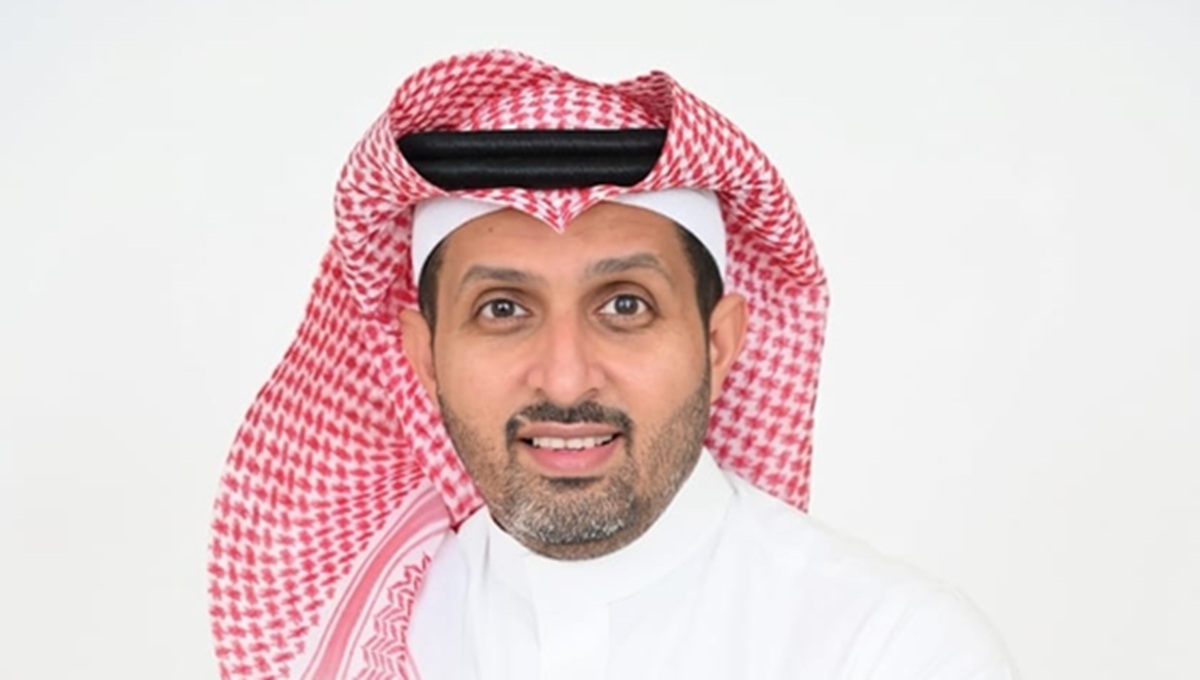
Abdullah Al Khorami, Chief Business Officer, Etihad Salam Telecom Company, explains that the intelligence behind the Kingdom’s mobility transformation will be built across networks, platforms, data and security. Telecommunications operators have a meaningful role if they can help make those layers work together.
Saudi Arabia’s mobility transformation will not be built inside the vehicle alone. For most of the last century, a fleet manager watched dots crawl across a screen and learned about a breakdown or a spoiled shipment only after the money was gone. That model is ending, and what replaces it depends on infrastructure, platforms and data moving between the vehicle, the road and the operations centre.
According to Ken Research, the Saudi market for AI in smart urban mobility was valued at approximately USD 1.1 billion in 2025. Separately, Arab News, citing the Transport General Authority, reported that ride-hailing trips rose 26 per cent. and delivery-application orders rose 27 per cent. from 2023 to 2024; it also reported the launch of a robotaxi pilot in Riyadh in July 2025 and a target for 25 per cent. of goods-transport vehicles to operate autonomously by 2030.
A truck that reroutes itself around congestion, or a fleet that flags a failing component before it strands a driver, depends on several systems working together, and many of them sit outside the vehicle. Applications put the decision in a manager’s hands. Artificial intelligence can read patterns across thousands of vehicles that no operations team could hold in view. Cybersecurity keeps a connected fleet from becoming an attack surface. 5G or other connectivity can hold the link where coverage and service design support it, edge processing can support time-sensitive decisions and central or cloud systems can carry workloads that do not need to sit at the edge. The architecture has to fit the route, coverage, data and consequences of interruption.
Assembling those systems is where the value has moved. Connectivity on its own is one layer. Operators that combine it with data-centre or hosted services, managed services, cybersecurity and integration, or coordinate those components with specialist partners, can play a larger role. For Salam, those are current service foundations. Broader private 5G, IoT, edge and data and AI capabilities are being progressively developed or scaled under Salam B2B 2.0. The test is not who claims the whole stack, but who can make the interfaces work and state clearly who provides what.
The data those fleets generate can be worth more than most balance sheets record. A fleet moving goods from Jeddah’s port to a Riyadh warehouse produces a continuous record of traffic, road conditions, fuel efficiency under load and driver behaviour. That record can optimise a logistics firm’s routes and inform a city’s road maintenance and signal timing. Data of that consequence must be governed according to applicable law, contracts and the design of the relevant solution. Some use cases may require local processing or storage, but data residency should not be reduced to a blanket claim that every offshore platform is non-compliant.
The larger opportunity sits below the enterprise tier. Thousands of small hauliers and last-mile operators move a substantial share of the Kingdom’s goods on margins too thin to fund a bespoke system. Reaching them may require intelligence packaged and priced as a service rather than as a project. Operators with customer relationships, connectivity and support capability may be well placed to help distribute those services, often with specialist technology partners.
The remaining problems are organisational. Enterprises struggle to specify what they need, legacy systems resist integration and programmes stall in the gap between a successful demonstration and a working deployment. Crossing that gap takes architecture, integration, security testing and managed operations delivered through one coherent model, with responsibilities allocated clearly. Providers that bridge that gap will capture more value than those that simply carry the traffic.
Saudi Arabia has decided what it wants: mobility that thinks. The vehicles will take the credit, while the intelligence behind them is designed and defended by an ecosystem of networks, platforms, data and people. Connectivity is the entry ticket to that work, not the whole answer, and the Kingdom is not waiting for the industry to work out the rest.