









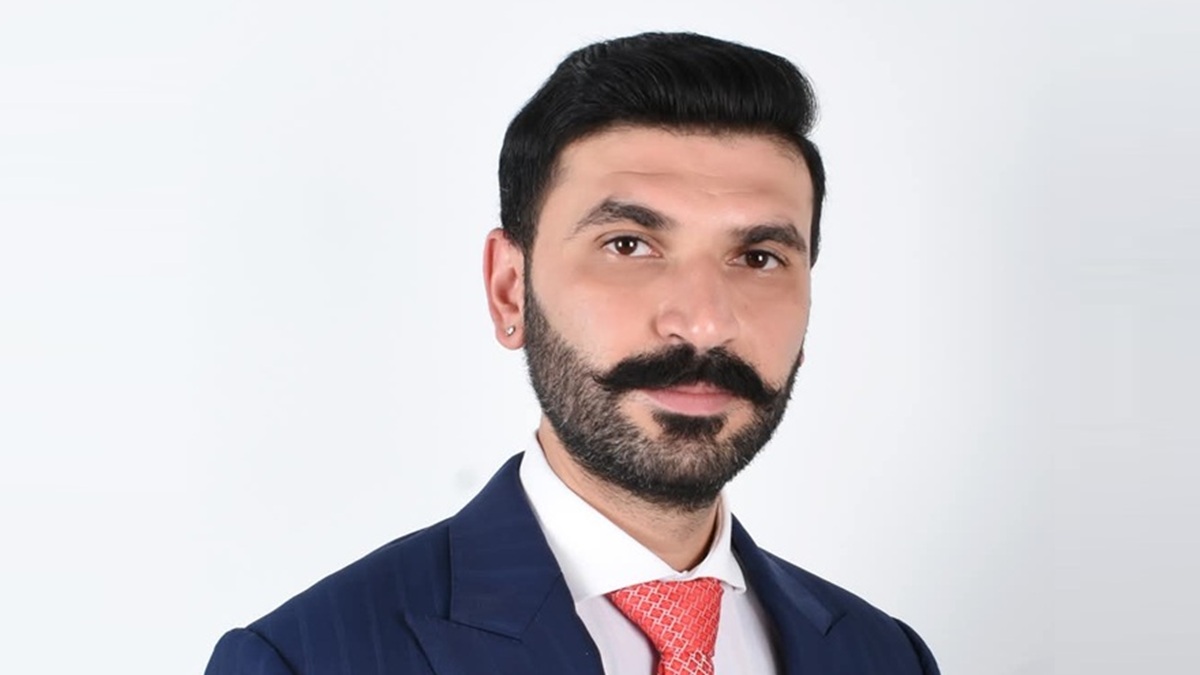
Binaryz Technologies’ founder & CEO, Yashaan Cooper, explains how the company bridges AI, cybersecurity, and emerging technologies to deliver measurable outcomes and help MEA organizations adopt innovation securely, responsibly, and with long-term business impact.
How would you define your company, and what is your core differentiation?
Binaryz Technologies is best described as a founder-led engineering company built to close the widening gap between emerging technologies and real-world business outcomes. When I founded the company, it was after years of working directly with enterprises, technologies, and customers, and repeatedly seeing the same pattern: organizations were buying sophisticated tools, but they were not achieving the outcomes those tools promised.
That disconnect became the foundation of Binaryz. We operate at the intersection of AI, AI security, cybersecurity, and autonomous systems, and very few firms in the UAE market can credibly say that with the level of operational depth we bring. Our philosophy is simple: small by structure, senior by capability. This means customers work directly with practitioners who have deep technical experience, cross-domain understanding, and the ability to engineer practical solutions rather than deliver generic consulting hours.
Our differentiation lies in founder-led execution, niche technical depth, and the ability to translate complex technologies into measurable business value. We are not a company built around selling products; we are a company built around solving problems. That is the core of who we are and why customers choose us.
How do you see the market evolving, and what major technology, regulatory, or industry shifts are shaping customer demand?
The market is undergoing a fundamental shift from buying technology to proving outcomes. For years, organizations invested in cybersecurity, AI, cloud, and digital transformation as separate initiatives, often driven by trends or vendor influence. That era is ending.
Today, customers want solutions that are secure, compliant, operationally practical, and directly tied to business value. The biggest catalyst for this shift is AI. Every organization wants to adopt AI, but leadership teams are increasingly aware that AI introduces new risks around data leakage, misuse, regulatory exposure, model governance, and cyberattacks.
This awareness is transforming AI security from a future concept into a board-level requirement. In the UAE and wider Middle East, regulation is becoming a major driver. National AI strategies, data protection laws, cybersecurity frameworks, and sector-specific compliance mandates are pushing organizations to become more structured and accountable in how they manage technology risk.
For Binaryz, this is exactly where we see opportunity. Customers do not need another vendor selling a tool. They need partners who can understand the business problem, assess the real risk, and engineer a practical solution that works in the real world. The next phase of the market will belong to companies that can bridge innovation with trust. AI, cybersecurity, and automation will continue to grow aggressively, but only solutions that are secure, compliant, and measurable will earn long-term customer confidence.
What are the key challenges you see in the market, and what role can distributors and vendors play in addressing these challenges?
One of the biggest challenges today is the widening gap between innovation and adoption. Organizations are being presented with an overwhelming number of solutions across cybersecurity, AI, cloud, automation, and data management. While the technology itself continues to advance rapidly, many businesses struggle to determine what is genuinely valuable, how solutions fit into their environment, and how to achieve measurable outcomes from their investments.
Compounding this challenge is the shortage of specialized expertise. Many organizations operate with lean teams that are already stretched by operational priorities, leaving little capacity to evaluate, implement, and govern emerging technologies effectively. This is where vendors and distributors must evolve. The market no longer needs organizations that simply move products from one side of the supply chain to the other. Customers expect vendors and distributors to act as trusted advisors who can help them understand business impact, reduce implementation risk, and accelerate value realization.
Successful vendors will be those that focus on solving real business problems rather than selling features. Distributors can create significant value by enabling partner ecosystems, providing technical expertise, supporting customer education, and helping bridge the gap between innovative technologies and practical deployment.
At Binaryz, we believe the strongest outcomes are achieved when vendors, distributors, partners, and customers operate as a collaborative ecosystem focused on delivering measurable business value rather than individual transactions.
How do you evaluate and select vendors? What criteria guide your vendor partnerships, and how do you ensure alignment with customer needs?
At Binaryz Technologies, we are highly selective about the vendors we choose to partner with. Our approach is grounded in evaluating technologies based on the business outcomes they enable rather than the features they advertise. The first criterion is relevance.
We look for technologies that solve a clear and growing problem in the market rather than products competing in crowded categories without meaningful differentiation. The second is technical capability. We assess the maturity of the solution, its architecture, security posture, scalability, ease of deployment, and ability to integrate into existing customer environments. In cybersecurity and AI, effectiveness alone is not enough; solutions must also be practical to adopt and operate. We also place significant emphasis on the vendor itself. We look for organizations that demonstrate strong product vision, responsiveness, commitment to innovation, and a willingness to work collaboratively with partners and customers. Long term partnership potential is often more important than short-term commercial opportunity.
Most importantly, we evaluate every solution through the lens of customer value. Before introducing any technology to the market, we ask whether it solves a problem customers are actively facing and whether we can clearly demonstrate measurable return on investment. To ensure alignment with customer needs, we spend considerable time understanding business objectives, operational challenges, regulatory requirements, and risk priorities before recommending any solution. Our goal is not to build the largest vendor portfolio but to build a portfolio of specialized technologies that address real-world challenges and help customers adopt innovation with confidence.
How do you structure your solutions portfolio? How do you balance resale, services, managed offerings, and emerging technologies in your portfolio strategy?
Our portfolio strategy is built around solving business challenges rather than selling standalone products. We structure our offerings across cybersecurity, AI and AI security, emerging technologies, and advisory and professional services. Each area complements the others, enabling end-to-end support from strategy and assessment through implementation, optimization, and ongoing operations.
Technology resale remains an important component, but we view it as an enabler rather than the objective. We work with specialized vendors whose solutions address specific customer needs and deliver measurable outcomes. Professional services bridge the gap between technology acquisition and successful adoption, helping organizations align decisions with business goals, operational realities, and regulatory expectations.
As the market matures, managed and recurring service models are becoming essential. Organizations increasingly seek trusted partners who can provide continuous visibility, expertise, and operational support without expanding internal teams. We see strong growth in areas such as cybersecurity operations, AI governance, and security program management.
Emerging technologies — including autonomous systems and drone-enabled solutions — form the innovation layer of our portfolio. Every offering must reduce risk, improve efficiency, strengthen resilience, or create new opportunities for growth.
How do you ensure customer success and retain customers, expand accounts, and drive long-term value?
Customer success begins long before a solution is deployed. It starts with understanding the customer’s business objectives, operational priorities, and desired outcomes. Our approach focuses on delivering measurable value, not completing a project and moving on. Every engagement is aligned to clear goals—whether reducing risk, improving efficiency, achieving compliance, accelerating adoption, or enabling innovation securely—and long-term retention becomes a natural result of consistent outcomes.
We maintain ongoing engagement to track evolving priorities, surface emerging challenges, and ensure existing solutions continue delivering value as the business grows. Account expansion is driven by trust rather than targets. As we deepen our understanding of a customer’s environment, we often identify new opportunities where cybersecurity, automation, or AI can address additional needs.
These conversations are rooted in business requirements, not product promotion, helping build long-term partnerships. We emphasize knowledge transfer and transparency so customers never feel dependent on a vendor to understand their own environment. By empowering internal teams and maintaining open communication, we strengthen relationships and ensure technology investments continue generating value well beyond the initial engagement.
How are you preparing for future technology shifts?
Technology is advancing faster than ever, but the core needs of organizations remain constant: operating more securely, efficiently, and intelligently. At Binaryz Technologies, we stay focused on the convergence of cybersecurity, artificial intelligence, automation, and emerging technologies, studying how each shift affects business operations, regulatory expectations, and customer outcomes. Rather than chasing trends, we evaluate how new capabilities translate into real value and real risk.
Artificial intelligence illustrates this approach clearly. While many organizations are accelerating AI adoption, we place equal emphasis on AI governance, AI security, data protection, and responsible deployment. We believe the next phase of AI growth will be shaped not only by innovation but by trust, accountability, and secure implementation. Our close relationships with technology vendors, industry leaders, and customers ensure we stay aligned with evolving requirements, and many of our most valuable insights come directly from customer challenges that signal future market needs.
As a founder-led organization, agility is one of our strengths. We can evaluate emerging technologies quickly, adapt our strategy, and stay focused on delivering practical, measurable value. Technology will continue to evolve, but organizations will always need trusted partners who help them adopt innovation securely, responsibly, and with clear business outcomes in mind.