










With the Iran–Israel conflict unsettling regional stability and exposing the fragility of global supply chains, the Middle East’s IT channel stands at a critical crossroads. Amid this uncertainty, women leaders are emerging as a stabilizing force—driving resilience, innovation, and continuity across a region balancing between conflict and transformation.
International Women’s Day 2026 arrives at a defining moment for the channel ecosystem, where women are no longer simply participating but actively shaping and steering its evolution. As the industry shifts from transactional models to intelligence‑driven partnerships powered by cloud, AI, cybersecurity, and subscription‑based services, the strengths women bring—strategic empathy, relationship‑driven leadership, resilience, and the ability to navigate ambiguity—are proving indispensable.
Yet their journeys also reveal the barriers that persist and the work still required to build a truly inclusive, future‑ready channel landscape. Their voices underscore a powerful truth: in a region tested by geopolitical tension and rapid technological change, women are becoming the anchors of stability and the architects of the channel’s next era.
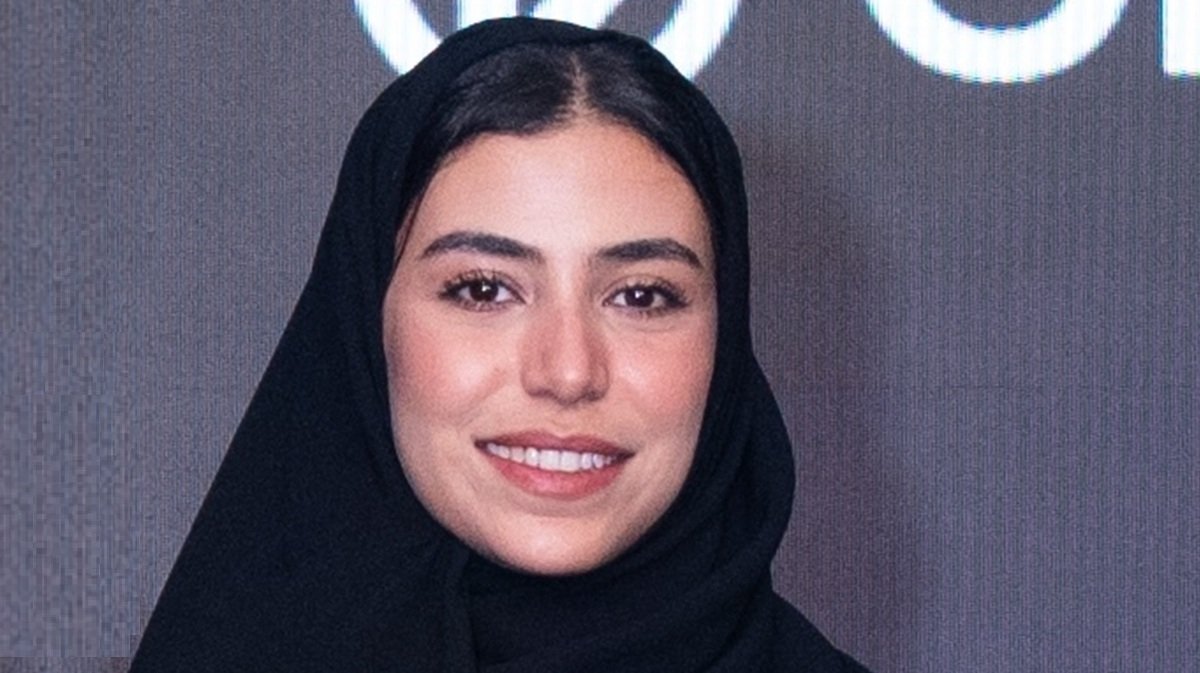
Alyaa Alsharif, Senior Business Development Manager, META at Group‑IB, reflects on the evolving role of women in the channel with a blend of realism and optimism. She explains that while women have become far more visible in strategic and technical roles, visibility alone does not guarantee influence. Too often, she says, women are the first voices dismissed and the last ones credited—particularly in high‑stakes cybersecurity environments. Yet she believes cybersecurity has also helped shift perceptions, because threats do not discriminate and diverse perspectives strengthen defence. Alyaa highlights emotional intelligence, calm decision‑making, and the ability to influence without authority as qualities that have helped her navigate complex partner ecosystems and crisis situations. For her, the future depends on organizations treating women’s advancement as a business strategy tied to innovation, not an HR initiative. Retention, sponsorship, and clear pathways to leadership are essential to sustaining progress.
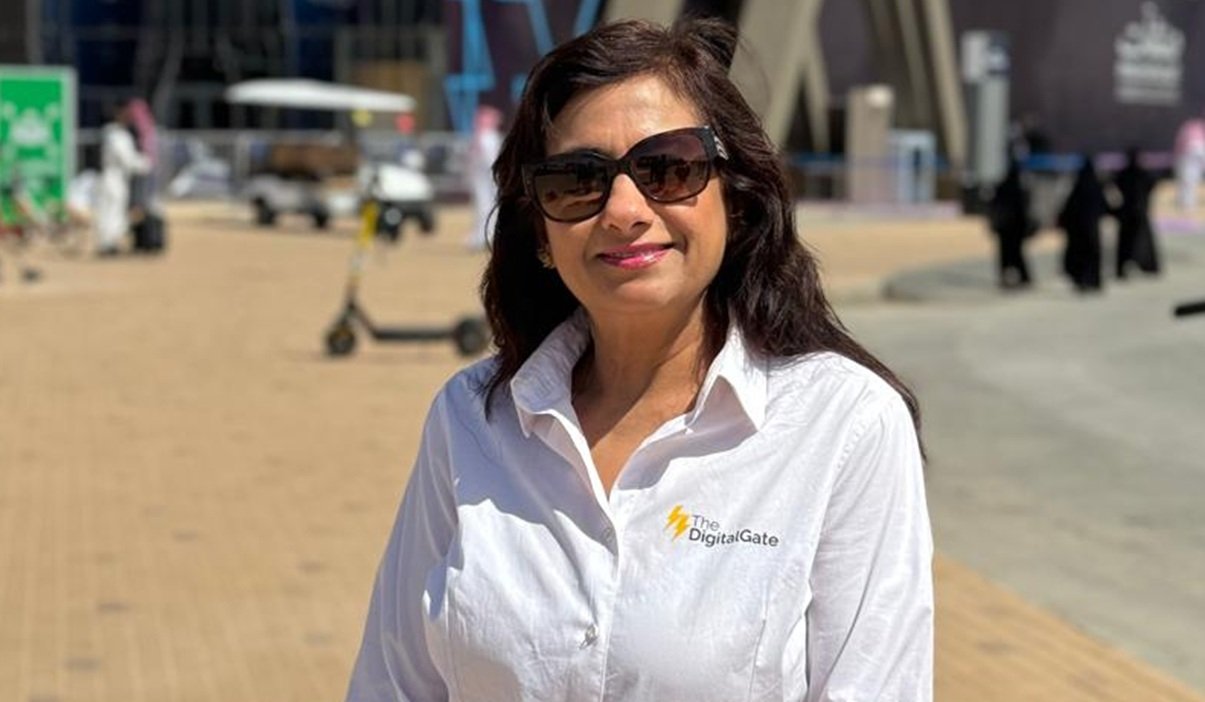
Subela Bhatia, Founder and Managing Director at Imperium Middle East, sees the regional channel undergoing meaningful transformation as more women step into influential roles across leadership, partner management, and ecosystem development. She notes that women’s visibility in boardrooms, industry events, and strategic discussions has grown significantly, reflecting a broader recognition of the value they bring. Yet persistent barriers remain, including uneven access to STEM education and a shortage of mentors in technical fields. Subela believes women excel in empathy‑driven communication, collaborative leadership, and long‑term relationship building—qualities that have shaped her own career and strengthened partner loyalty. As the channel shifts toward cloud, AI, and integrated security models, she sees a unique opportunity to elevate women into high‑growth domains. Inclusion, she argues, must be treated as a business priority tied to revenue and innovation, with women placed visibly in strategic roles that shape the future of the channel.
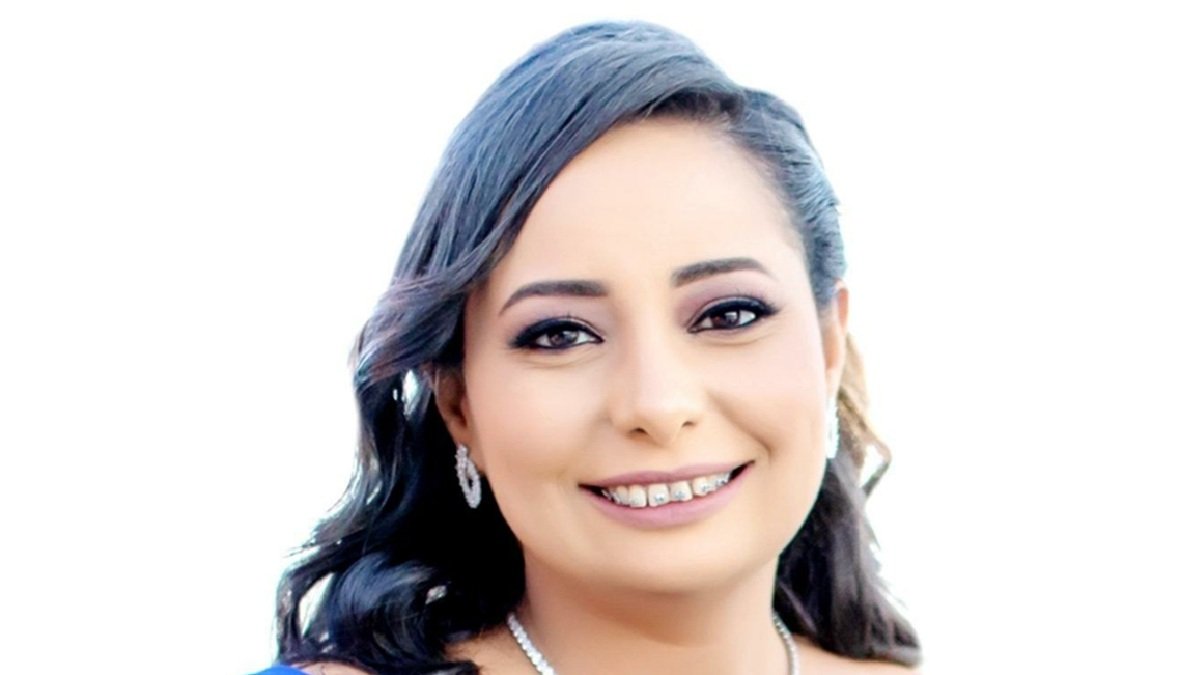
Mona Sedki, Channel Manager for Egypt at AmiViz, describes a dramatic shift in how women contribute to the channel. She explains that women have moved from back‑end support roles to becoming drivers of leadership, innovation, and customer experience. Their perspectives, shaped by the challenges they navigate, bring new dimensions to problem‑solving and partner engagement. Yet deep‑rooted gender bias in promotion structures and the lack of workplace flexibility remain ongoing barriers. Mona believes women bring emotional intelligence, strong relationship‑building skills, and the ability to multitask without compromising quality—strengths essential for managing complex partner ecosystems. In her own journey, these qualities have helped her balance priorities, build trust, and drive better outcomes. She argues that as the channel transforms with cloud and AI, organizations must invest in technical upskilling, certifications, and executive sponsorship to ensure women are empowered and positioned for leadership.
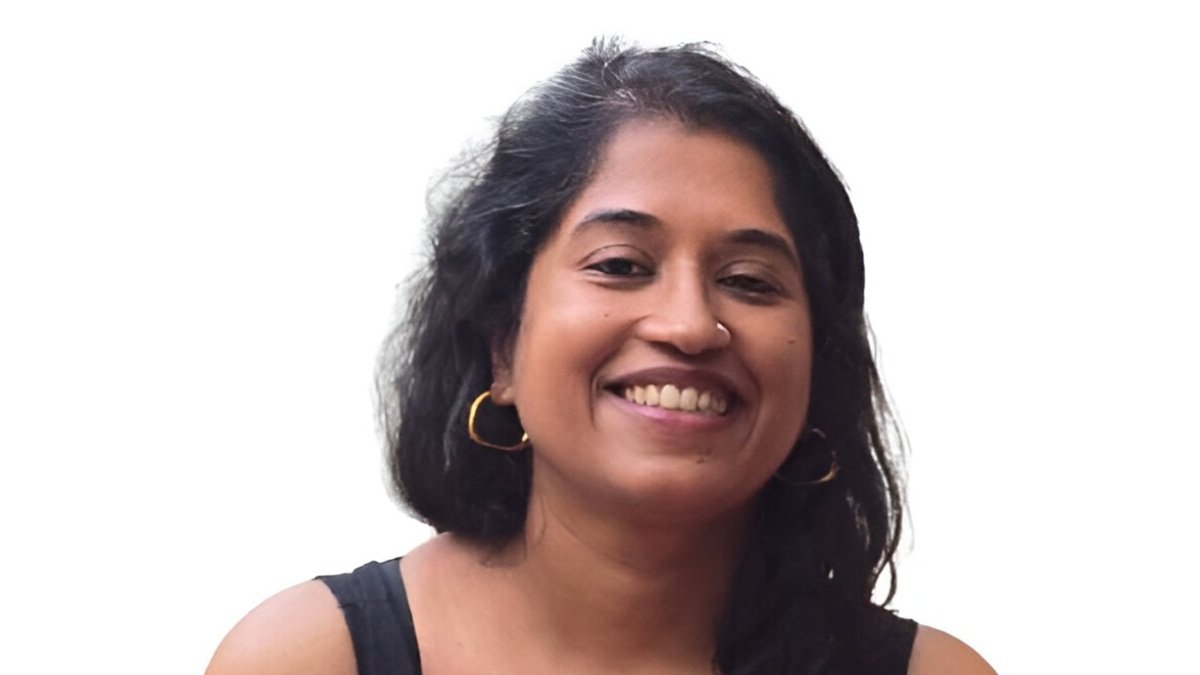
Udita Vasishth, Senior Field Marketing Manager for META at BMC Helix, has witnessed women transition from support roles into trusted strategic contributors who shape partner strategy and go‑to‑market execution. She believes this shift has been driven by stronger advocacy, leadership intent, and a growing recognition of the impact women bring to the channel. Udita highlights strategic empathy, collaboration, and long‑term relationship management as core strengths women contribute to partner ecosystems. In her own career, she has leveraged these qualities to build authentic partnerships, align stakeholders, and deliver results with clarity and consistency. As the channel evolves with cloud, AI, and subscription models, she emphasizes the need for organizations to ensure women have access to transformative roles, sponsorship, and visibility in strategic initiatives. Structured mentorship, inclusive leadership pipelines, and flexible work cultures are essential to positioning women as future‑ready leaders capable of navigating the channel’s next phase.
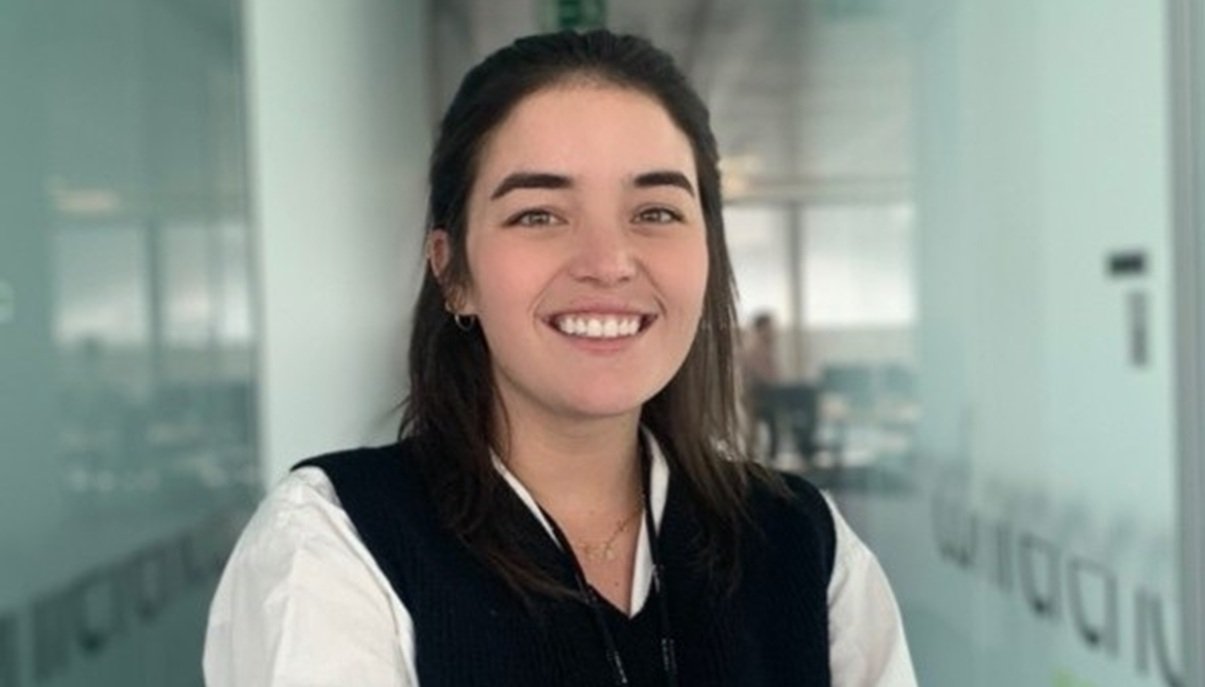
Melissa Velez, Team Manager for Enterprise Security Engineers EMEA at Check Point Software, sees women increasingly driving the heart of channel partnerships by building trust, fostering collaboration, and shaping long‑term strategy. She explains that women often bring a blend of strategic thinking and empathy, enabling them to understand both partner goals and customer needs. This combination strengthens relationships and creates opportunities for deeper engagement. In her own work, she leverages active listening, curiosity, and the ability to identify hidden opportunities to become a trusted advisor to partners. Yet she acknowledges that women still struggle to secure space in high‑level strategic conversations, where influence is shaped. Melissa believes organizations must empower women with visibility, confidence, and platforms to share their expertise. Investing in mentorship, learning, and leadership opportunities will ensure women drive innovation, strengthen partnerships, and shape the future of the channel.
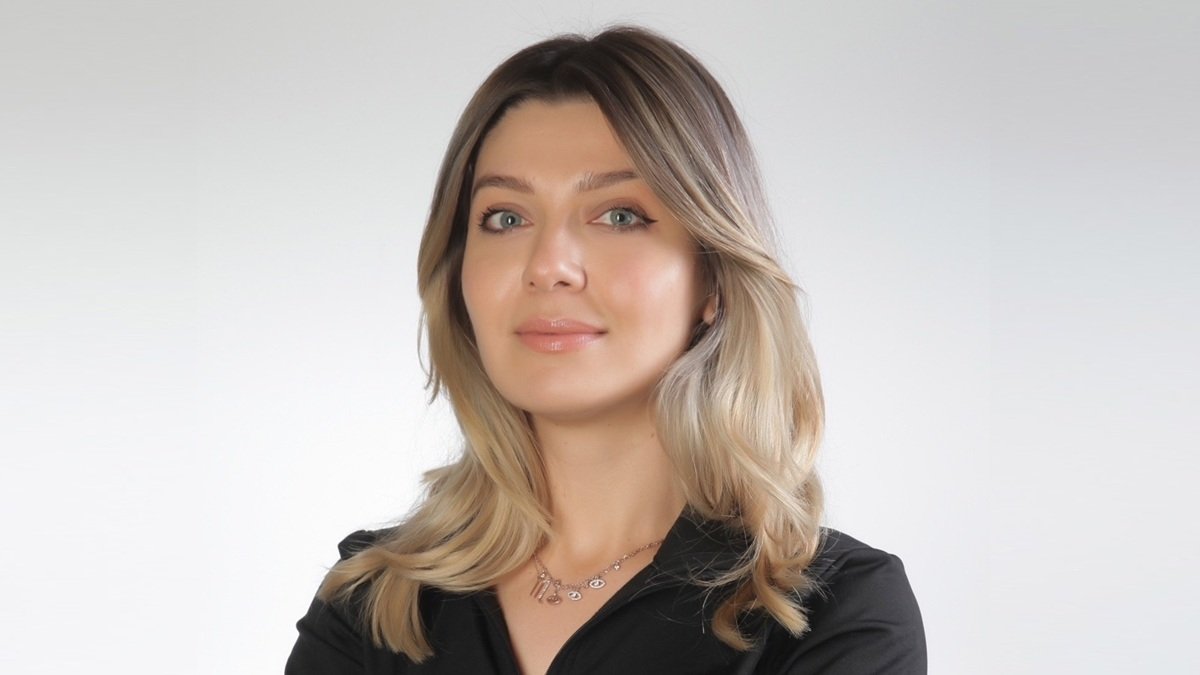
Yasemin Ersoz, Channel Manager at Extreme Networks, has seen a significant shift in women’s roles across the regional channel. She notes that women are no longer supporting the channel—they are leading strategy, owning partner ecosystems, and driving revenue conversations across marketing, distribution, and technical roles. However, she points out that the region’s relationship‑driven culture can unintentionally limit access to influential networks, especially when trust is built in informal settings. Yasemin believes women bring emotional intelligence, structured thinking, and the ability to balance relationships with performance expectations—strengths that are particularly powerful in partner‑driven environments. In her own journey, she has relied on credibility, transparency, and early stakeholder alignment to drive growth and strengthen long‑term partnerships. She argues that as the channel shifts toward cloud and AI, organizations must evaluate leadership potential based on measurable impact rather than tenure or traditional networks, ensuring women are represented by design, not exception.
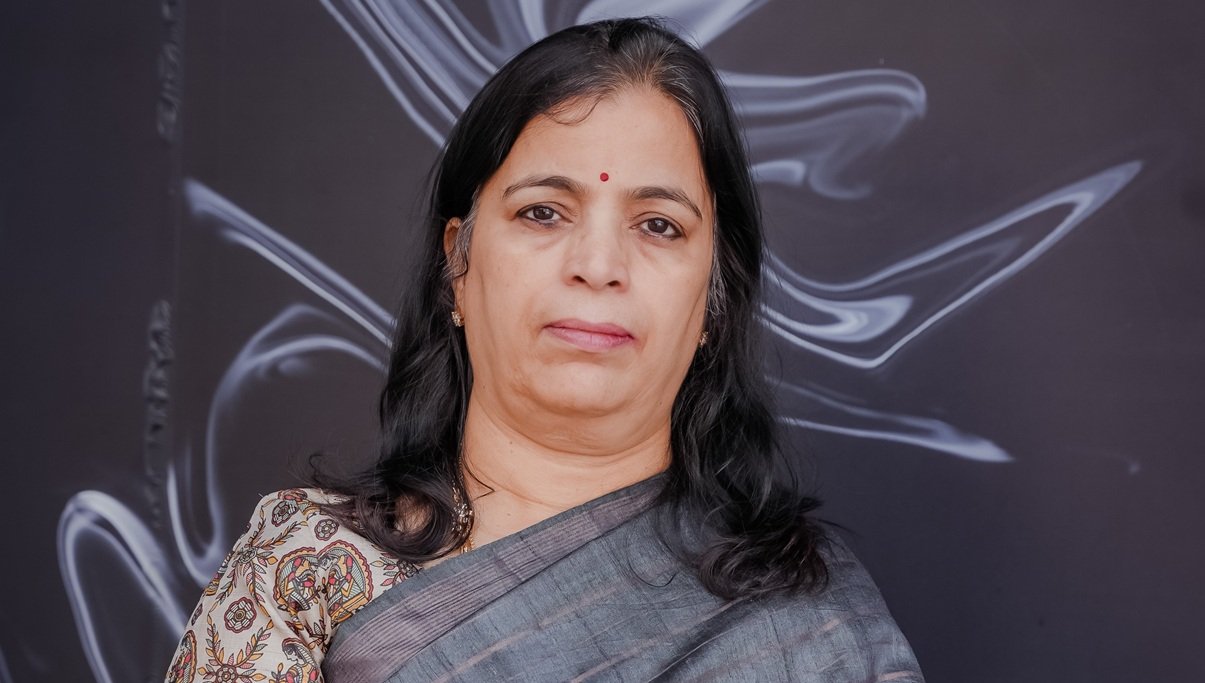
Uma Shankari, Managing Director at Luckystar Computers, describes the past decade as a period of remarkable evolution for women in the UAE’s IT channel. She highlights how women are now leading channel sales, partner strategy, marketing, and technical conversations across cloud, cybersecurity, and AI. Industry platforms such as GITEX Global have amplified women’s visibility as decision‑makers and thought leaders. Yet representation at senior leadership levels—particularly in P&L ownership and technical architecture—remains limited. Uma believes women bring emotional intelligence, collaborative leadership, and long‑term relationship focus to partner management, which are powerful differentiators in a trust‑driven ecosystem. In her own career, she has prioritized authentic relationships, transparency, and long‑term value creation. She argues that organizations must provide equal access to high‑growth technology domains, move from mentorship to sponsorship, and ensure women are represented in strategic forums where influence is shaped.
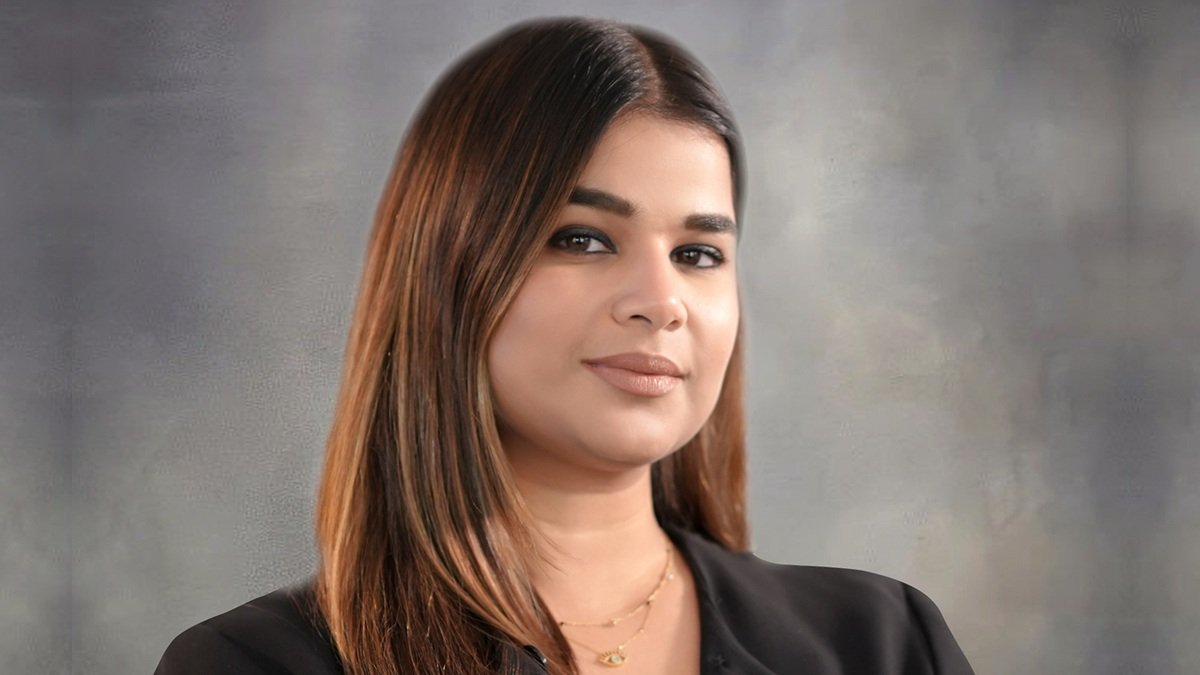
Vima Awasthi, Senior Channel Manager for Abu Dhabi at Mindware, sees a very encouraging shift in the regional channel ecosystem, particularly in the UAE, where women are increasingly recognized for their contributions across sales, partner management, and leadership. She believes supportive leadership and inclusive work environments have played a major role in this progress. Vima emphasizes open communication, trust, and collaboration as the fundamentals of her approach to partner management. Being approachable and consistent has helped her build strong relationships with partners and navigate the complexities of the Abu Dhabi channel landscape. She believes women must be given equal exposure to new technologies, strategic initiatives, and customer‑facing opportunities to build confidence and experience. Organizations that recognize and support talent regardless of gender, she says, create environments where everyone can grow and contribute meaningfully to the business.
International Women’s Day 2026 is a reminder that progress is real, but unfinished. The women shaping the regional channel ecosystem are not asking for special treatment—they are asking for equal access, equal recognition, and equal opportunity to lead. Their voices reveal a powerful truth: in a region defined by geopolitical tension and rapid technological transformation, women are not only strengthening the channel—they are securing its future.